Designing for Queerness: A Talk with Karl Mok , from architecture lgbt+
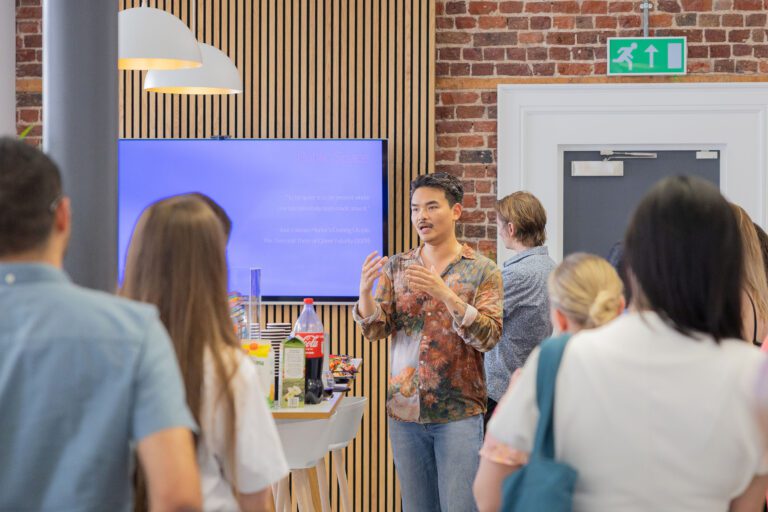
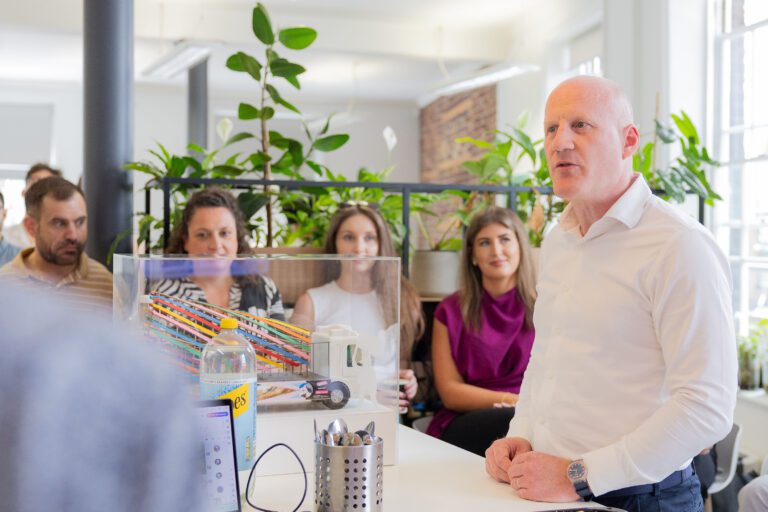
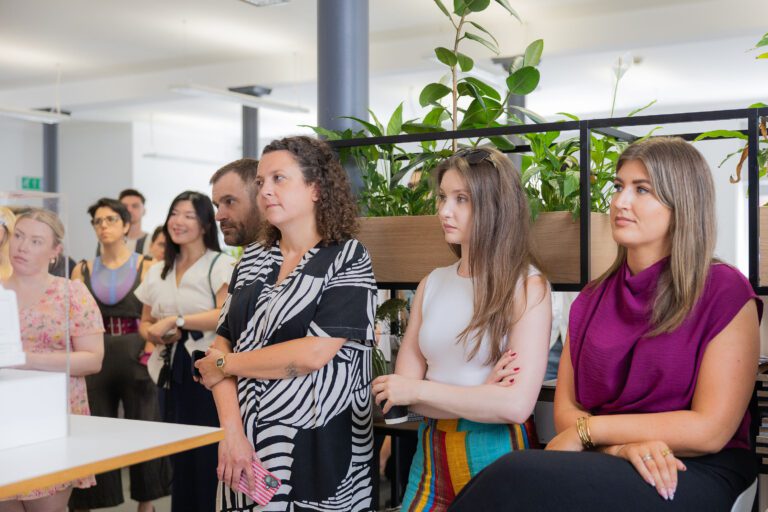
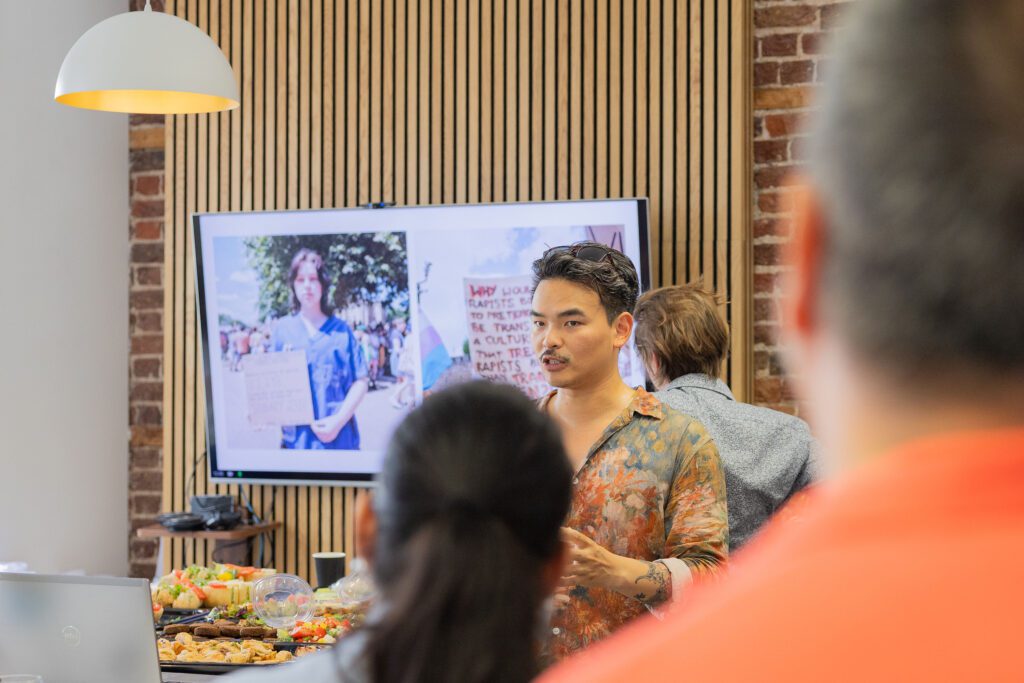
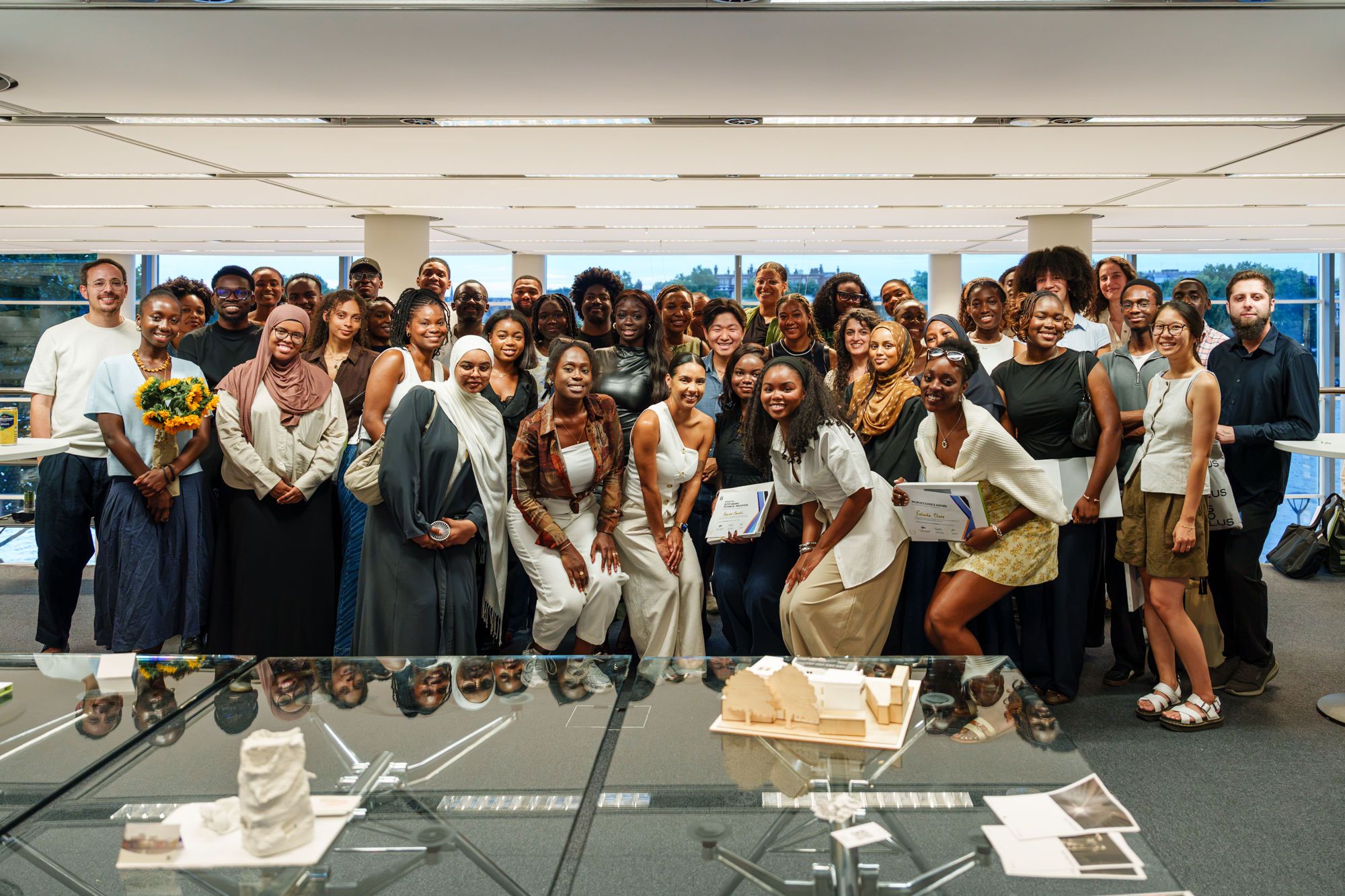
On Thursday 25 June, we welcomed Karl Mok to the Pascall+Watson studio for a talk that marked Pride Month and left a lasting impression on everyone in attendance.
Karl is a Board Member of the Architecture LGBT+ Committee, a former contestant on BBC’s Interior Design Masters, and the winner of the Pride Float Design 2025. He joined us alongside Oleg and Esther to share the story behind Proudspeaker, OO Office’s winning float commission for London Pride 2025.
About Proudspeaker
Proudspeaker took the form of a monumental megaphone, described by the studio as ‘a collective exhale’. It was built as a co-design project, bringing together volunteers from across the architecture community to create a nine-by-nine metre quilt made up of messages, memorials and declarations from LGBTQIA+ people. The float carried this woven record of collective expression through Trafalgar Square before an audience of 1.5 million people.
The project was shaped directly by its moment. Designed in response to the Supreme Court’s April 2025 ruling on the legal definition of gender, Proudspeaker asked a direct question: in a climate of increasing hostility toward LGBTQIA+ people, what does visibility during Pride truly mean? And is architecture, a profession with considerable queer talent across every level, doing nearly enough to make that visibility last?
Karl’s Story
Karl spoke openly about his own journey, growing up in Malaysia before building his career in architecture and advocacy. He shared what drew him to the profession and how his passion for design became inseparable from his commitment to representation. He also described how he brought together talent from across the industry to realise the megaphone concept, and what the words and stories sewn into the quilt meant to those who contributed them.
Reflecting on the Day
The session was thoughtful, open and genuinely moving. Karl spoke with clarity and conviction, and the room was all the richer for it. He has expressed a wish to return to Pascall+Watson next year, and we very much hope he will.
Our thanks go to Karl, Oleg and Esther for their time and generosity, and for reminding us that architecture, at its best, listens, holds space, and has something meaningful to say.
The Future of Airports is Being Rewritten: Inside the AIR Conference 2026 on Resilience, Sustainability and Innovation
The Future of Airports is Being Rewritten: Inside the AIR Conference 2026 on Resilience, Sustainability and Innovation